
Thread
In 2014, I spent 4 months at an oil and gas facility in Africa.
I spent days and nights trying to come up with a way to reduce the cost to manufacture a subsea tree (that thing behind me).
Here’s a story on how asking the right questions can make you a more operational leader.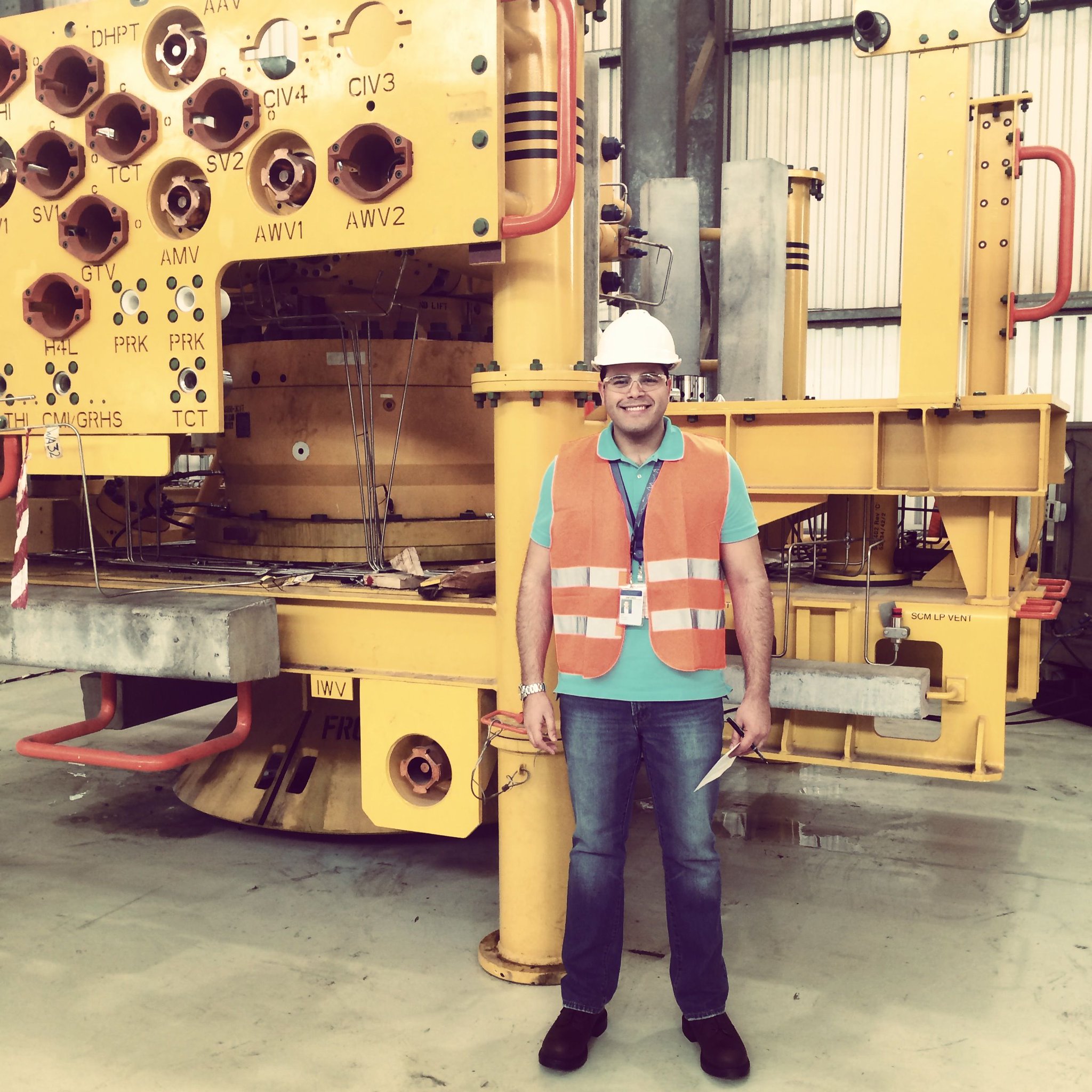
I spent days and nights trying to come up with a way to reduce the cost to manufacture a subsea tree (that thing behind me).
Here’s a story on how asking the right questions can make you a more operational leader.

1/ Why should you read this?
I think anybody who works in a company will benefit from understanding the business model to its core (especially those like me who work in a support function like finance).
But don’t take it from me. Even Warren Buffett says this.
I think anybody who works in a company will benefit from understanding the business model to its core (especially those like me who work in a support function like finance).
But don’t take it from me. Even Warren Buffett says this.
Understanding how products are made in your company - from end to end - will make you a more informed employee, founder, or investor.
Any recommendation coming from you, whether that is to your boss or your team, will become more impactful because you understand the complexities and intricacies of what the company is trying to sell.
In a world full of spreadsheet gurus, operational leaders are a dying breed.
In a world full of spreadsheet gurus, operational leaders are a dying breed.
2/ A quick story for context …
Let me take you back to 2014.
One of the markets with lots of potential for oil and gas was Angola.
The company had big contracts worth billions of dollars that needed to be fulfilled from Luanda to its country of destination.
Let me take you back to 2014.
One of the markets with lots of potential for oil and gas was Angola.
The company had big contracts worth billions of dollars that needed to be fulfilled from Luanda to its country of destination.
That required a big effort in localizing engineering, procurement, logistics, and manufacturing.
Something completely new. And as with anything new, there were a lot of mistakes.
The big one at the time: cost overruns.
Something completely new. And as with anything new, there were a lot of mistakes.
The big one at the time: cost overruns.
I was a young finance associate tasked with taking product cost out. As much as humanly possible.
But how was I supposed to do that?
Let me explain what worked for me.
But how was I supposed to do that?
Let me explain what worked for me.
3/ How do you REALLY understand a business?
The first thing I needed to get a grasp on was the value prop of the business.
What’s the product being sold here?
What problems does it solve for the customer?
This is important because it helps you keep the big picture in mind.
The first thing I needed to get a grasp on was the value prop of the business.
What’s the product being sold here?
What problems does it solve for the customer?
This is important because it helps you keep the big picture in mind.
Back then, the company was trying to expand its oil and gas installed base into developing markets.
In other words, increase the number of places where their equipment was sold and installed.
Why?
In other words, increase the number of places where their equipment was sold and installed.
Why?
Because, even though the equipment sale happens just once, the service contracts to repair and maintain that type of machinery can extend for decades at a very high margin.
The second thing to nail down was the deal cycle.
In other words ...
How does a product get made after the customer places an order?
What are the steps from a sourcing standpoint?
How do raw materials turn into finished goods?
How are labor hours charged in a project?
In other words ...
How does a product get made after the customer places an order?
What are the steps from a sourcing standpoint?
How do raw materials turn into finished goods?
How are labor hours charged in a project?
How does it get shipped to the customer?
How does it clear customs?
When do I transfer the risk of ownership to claim a sale?
How does it clear customs?
When do I transfer the risk of ownership to claim a sale?
I mapped all these questions in what is known as a value stream map, a lean manufacturing tool used to identify waste and areas of improvement.
Not by myself. But with the help of experts in all of these areas.
Not by myself. But with the help of experts in all of these areas.
Once the process was mapped out, I asked one of the most important questions in business:
How can this be better?
The answers to that question were overwhelming.
Too many to tackle.
I had to focus on the one that would have the most impact in the long term.
How can this be better?
The answers to that question were overwhelming.
Too many to tackle.
I had to focus on the one that would have the most impact in the long term.
The answer was to source materials from cheaper (and farther away) countries, while ensuring timely transportation.
Sounds easy, but it was hell.
Renegotiating contracts with suppliers and making them agree on a delivery schedule is one of the hardest things to do in business.
Sounds easy, but it was hell.
Renegotiating contracts with suppliers and making them agree on a delivery schedule is one of the hardest things to do in business.
I came up with a list of suppliers and cold-called them.
I had to learn the tactics of pressuring a vendor with pricing leverage from a competitor.
Difficult conversations. A lot of failures. But a few wins.
But those are the ones that move the needle in the right direction.
I had to learn the tactics of pressuring a vendor with pricing leverage from a competitor.
Difficult conversations. A lot of failures. But a few wins.
But those are the ones that move the needle in the right direction.
So, to summarize …
If you want to become a more “operational” business person, I think the best way is to spend more time on the shop floor.
Get your hands dirty, talk to people, and have an opinion.
Hope this story helps you. And if it doesn’t. No sweat.
Until next time.
If you want to become a more “operational” business person, I think the best way is to spend more time on the shop floor.
Get your hands dirty, talk to people, and have an opinion.
Hope this story helps you. And if it doesn’t. No sweat.
Until next time.
If you found this thread useful:
1. Follow @theantonioreza for more content like this.
2. Retweet the first tweet of the thread with your network.
I write about money and tech to help your business grow.
1. Follow @theantonioreza for more content like this.
2. Retweet the first tweet of the thread with your network.
I write about money and tech to help your business grow.
If you like tweets and threads like this one, you might enjoy reading my newsletter.
I'll be launching it very soon and will be packed with tips and strategies to make your business and career grow.
www.theantonioreza.com/newsletter/
I'll be launching it very soon and will be packed with tips and strategies to make your business and career grow.
www.theantonioreza.com/newsletter/
